Wind, falling limbs and heavy rain in West Orange
Storm Damage Repair in West Orange, NJ
Did a windstorm leave shingles on the lawn or a limb on the roof in West Orange? Damage can hide under a gap the size of a tarp or turn up weeks later as a stain. Call (973) 841-8483 and say what came down, and the contractor can arrange a visit.
Hold off and get help if
- A wire is down or draped over a tree or the roof: treat it as live, stay well back, never spray it with water, and call 911 or your electric utility.
- A tree rests on the house and the structure creaks: leave the building and call 911 from outside.
- After the storm gas can be smelled: exit the house straight away, and use a phone outside to call 911 or the gas utility.
- A ceiling is sagging, bulging or dripping onto a fixture: do not use that room, and dial 911 if it seems ready to fall.
Questions for the roofer
After the storm: what to ask the roofer
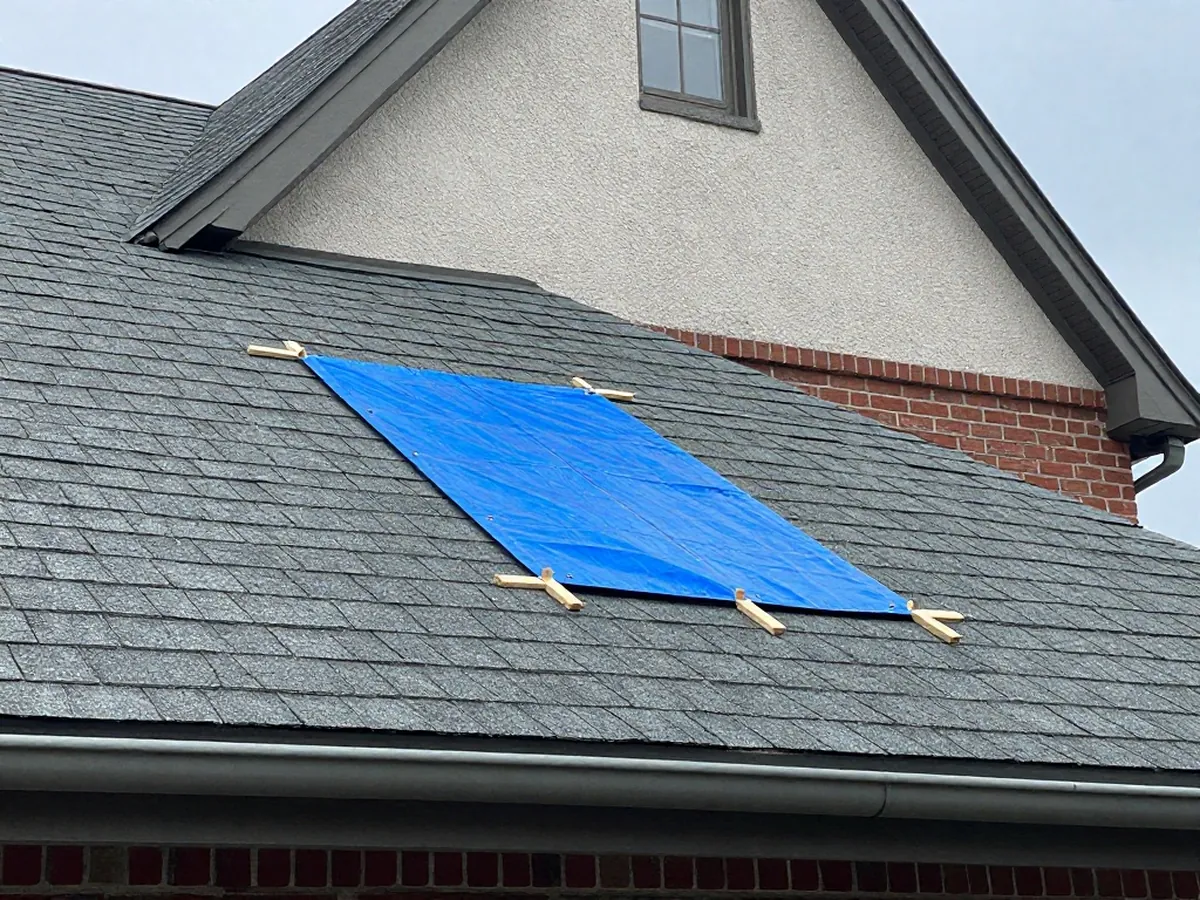
Can the opening be covered now and the permanent work scheduled later? A temporary cover protects the house in the meantime.
Will the visit produce photos and a written description of the damage? An adjuster works from documents.
What do the start and finish dates say in the contract? New Jersey's home improvement rule asks for them in writing.
What is the payment schedule? The trade association ARMA advises caution about requests for payment up front.
What the roofer looks at
- Call (973) 841-8483, say what blew down and where water is getting in, and the contractor can arrange a visit.
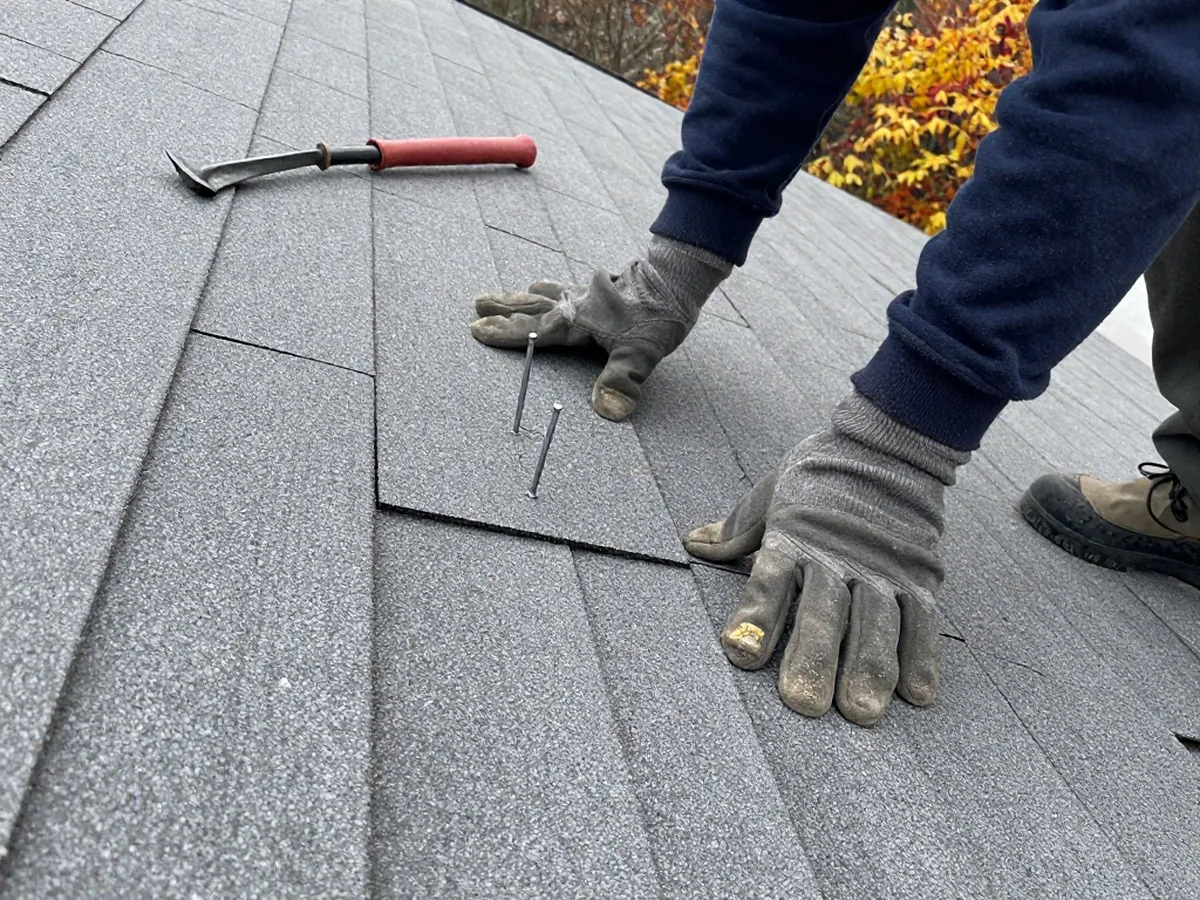
- The roofer can walk the outside first: the lawn for debris, then the edges, the ridge and any spot a limb struck.
- Indoors, top-floor ceilings and the attic show whether water has already worked under the covering.
- A temporary cover can go over an opening while the rest is sorted out; every receipt is worth saving.
- Photos and notes of the damage get gathered along the way, since an insurer will ask for them.
- The visit closes with the repair options and a written scope of work that you can hand to your insurer.
What you may notice
- Shingles, ridge caps or metal pieces lying in the yard after wind
- A fresh limb on the roof, or gutters pulled loose from the roof edge
- A patch of missing shingles with bare roof boards showing
- A ceiling stain that appears days after the storm has passed
- Dents, scrapes or torn flashing around vents and the chimney
Why it happens
- Straight-line wind that lifts shingles along the edges and the ridge
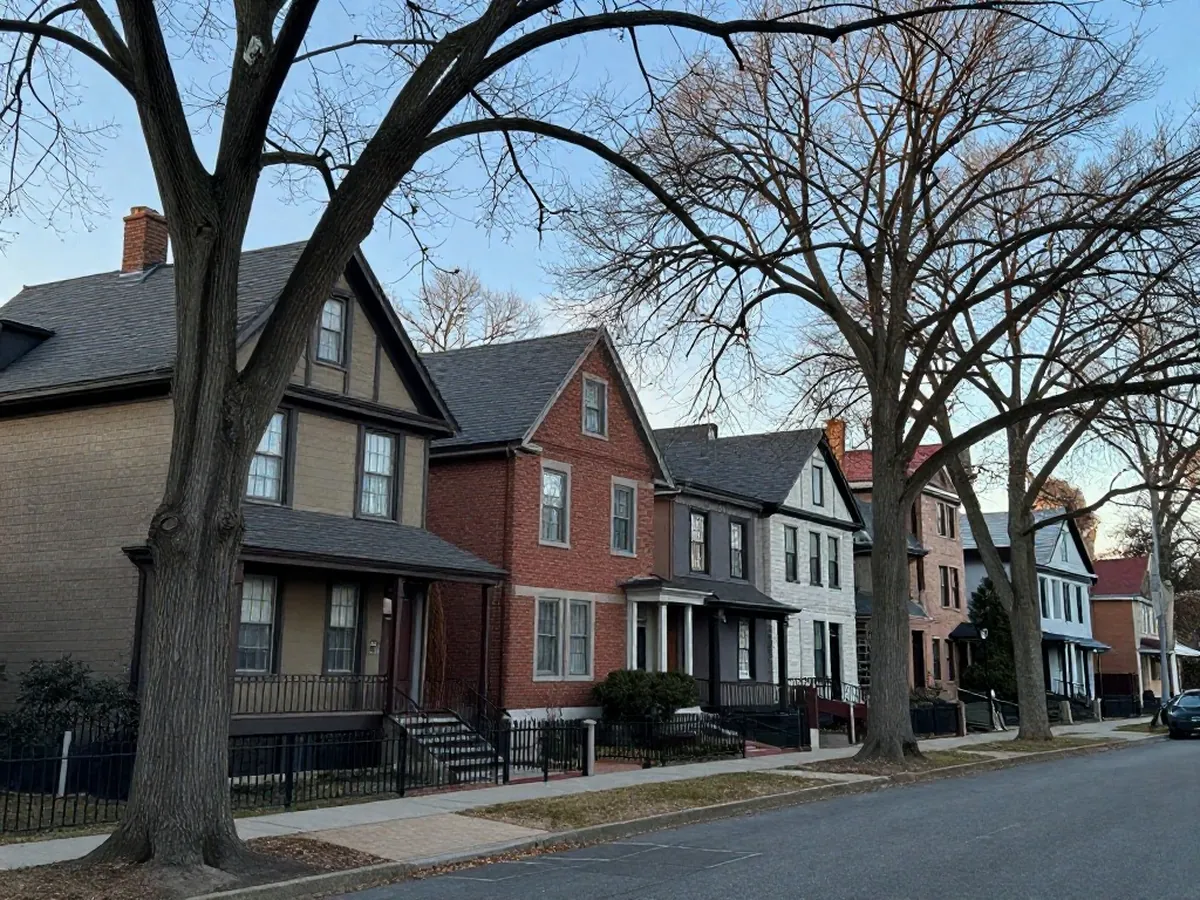
- Falling limbs and whole trees, a bigger risk on streets lined with mature trees
- Wind-driven rain that gets sideways under flashing and shingle edges
- Debris carried by the wind that scrapes or punctures the covering
- An older weak spot, such as an earlier repair, that a storm finds
Next door on the list
Other jobs a storm can set off
Water that got in sets up a stain, and a roof inspection finds how far it traveled. Limbs often take the gutters with them: see gutter repair. Torn metal at the chimney is a flashing and chimney job.
Notes from around West Orange
- Essex County's post-Sandy recovery report puts the county's average power loss at roughly six days, estimated from school closures. It lists West Orange's Sandy ratable loss at $549,300 and Essex Fells' at $394,800.
- The state weather network called Tropical Storm Isaias, on 4 August 2020, the strongest statewide wind event since Sandy. Its highest gust that day, 71 mph, was logged at Fortescue, in Cumberland County, far from West Orange, so it says little about gusts here.
- West Orange's Office of Emergency Management is at 415 Valley Road, (973) 325-4175, and the township's website explains how to sign up for Smart911 alerts by phone, email or text.
What moves a quote
What decides how big a storm repair gets
The scope grows with the area opened up, the number of boards that are wet, and whether flashing or gutters came off too. A temporary cover and a permanent repair are two separate steps. A tree removal, if one is needed, is separate again. And the insurer's inspection, not the roofer's, decides what the claim covers.
Questions and answers
How urgent is storm damage, from 1 to 10?
Use a ten-point scale. Eight through ten: a wire down, a tree on the house, a gas smell, or a ceiling close to falling. Get out first, then call 911 or the utility. Four through seven: an open spot in the roof or a steady drip, which is the moment to dial (973) 841-8483 and photograph everything. One through three: some shingles on the lawn over a dry attic.
Which pictures matter most before cleanup begins?
New Jersey's insurance department recommends pictures of all damaged property before it is thrown away, and says to keep damaged items until the insurer has seen them or approves disposal. The Department of Energy gives the same advice for ruined materials.
Do I have to use the insurer's roofer?
No. According to the state's insurance department, the choice of contractor is the policyholder's own, whatever the insurer suggests. An adjuster sent by the insurer examines the damage and rules on coverage, and a disagreement can go to the department's hotline at 1-800-446-7467.
How do I judge a crew that knocks right after a storm?
The roofing trade association ARMA relays an NRCA warning that storms attract crews from outside the area. The signs it lists are a permanent business address, recent references and a written proposal. It also urges care with anyone requesting payment in advance.
How windy were nearby storms?
The state's post-Sandy report cites gusts of 88 mph at Montclair and 78 mph at Newark. For Isaias, the state weather network reported a top gust of 71 mph at Fortescue and said trees fell across New Jersey, crushing vehicles and buildings.
Do storm calls from Orange, Millburn, Roseland and Essex Fells count as well?
Yes. All five towns are in the service area. Read roofing in Orange, roofing in Millburn, roofing in Roseland and roofing in Essex Fells for local notes, then call (973) 841-8483 and name the street.
Where the paperwork lives
Storm repairs, trees and town paperwork
Repairing existing roof covering on a detached one-family or two-family house falls under the state's ordinary-maintenance rule. Taking down a tree is a different matter: West Orange's Forestry Division handles tree removal applications and permits for private property, and its forester can be reached at (973) 325-4015. The rules page has the rest.
Call (973) 841-8483 and talk the roof through.
Call (973) 841-8483Keep three things handy: the address, a description of the damage and a rough roof age. Renters: roof work is set up by the owner, so the landlord comes first. Dial (973) 841-8483 if you are in one of the five towns listed here.